Showing posts with label food. Show all posts

Thursday, 27 August 2009

Going shopping in Lithuania

Where the Tesco? Wheres Walmart? Where do I buy my food!

There are lots of supermarkets in Lithuania, but not any that westerners coming here for the first time would recognise.

There are now five major supermarket chains in Lithuania - Maxima, Rimi, Iki, Prisma and Norfa. The challenge is that in every supermarket, you will find different products, both in quality and in range. Iki for example is the best place to get fruit and vegetables - they have the largest range of vegetables and they have some exotic ones too.

Do keep in mind though that "exotic" in Lithuania does not mean Dragon fruit or any of these, but it is a cut above potatoes and onions and tomatoes, like one may find at the local Maxima.

Maxima on the other hand is the cheapest and you can get some good, cheap home and kitchen wares there.

MAXIMA

Maxima is the cheapest and the most common of all the supermarkets in Lithuania. The chain, which was originally called VP Market (English translation) is the most powerful chain in terms of buying power and throwing their weight around - the result is that they have good deals in their stores and you will find all the basic goods you need.

The chain is split up into five categories: Maxima X, Maxima XX, Maxima XXX, Hyper Maxima and Maxima Baze.

The lower the X rating, the less you range you have available. Maxima Xs are called "local stores" because they have all the things you need for normal cooking and living - vegetables, fruit, meat, flour, sugar, bread, dairy products, toiletries, etc. The range increases until you get to Maxima Baze where you can buy most product categories such as sports equipment, clothes, food, whitegoods and so on. They also have a cafe inside the store.

Whats good about Maxima is that it has cheap goods and it also sells basic goods under its own brand "Optima Linija" for things like sugar and flour and milk, where there is no room for quality deviation.

Whats bad about Maxima is that it lacks exotic or international products — this is a shop for locals who live the local lifestyle. If you want something else, you will have to go somewhere else.

IKI

Iki supermarkets come in two varieties — Iki and Ikiukas (meaning small Iki). In the large supermarkets, you can get a large variety of products. A good range of fresh fruit, veges and cheese, Iki has what the regular foreigner is looking for.
Keep in mind that you will pay a little extra for the food at Iki, but in some ways it is worth it. The food is often fresher and you don't have to pick through large piles of rotting produce to find it and there is a larger range of non-fresh products. For example, this is the only supermarket of its size where you can get many foreign products, particularly from Asia.

The meat section in the supermarket often leaves something to be desired and this is a major letdown for the chain. Often you will plan out your meal and then go to the shop, only to find that there is no chicken breast or no beef — at all.

The entire feel of the supermarket however makes up for the lack of meat sometimes. People seem to be happier there, there is more light in the shop and there are less alcoholics and undesirables, probably due to the slightly higher prices.

Iki was the first to introduce the self service cashier points to Lithuania, so that is a big plus for me - I always like places that are moving forward.

So anyway, if you don't like either Maxima or Iki, try some of the other ones, or just go to a restaurant!

Thursday, 20 August 2009

Grybauti Grybauti!

Grybauti - no its not the newest nickname for the country's newest President Dalia Grybauskaite - it is mushrooming!

Going mushrooming is as simple as the name would suggest - picking mushrooms, except you have to go into the forest to do it.
Grab a knife, a basket, some long pants and heavy duty socks (to protect against ticks, spiders and scratches) and you are ready to go.

Usually you will need a car and you will need to go deep into the forest to find a good spot that hasn't already been covered by others, but its nothing like Bear Grylls has to endure, but you will have to walk a good 20 metres from the car. People with poor orientation skills should not leave the sight of mushrooming companions lest they get lost in the forest.

It is of vital importance that you know what sort of mushrooms are edible - eating some species can make you sick or even kill you. You should go with a Lithuanian friend who knows which are good and which are not and even then you should consult a mushroom guide when you get home. Remember that "all mushrooms in the forest are edible, but some you can only eat once."

When you are picking mushrooms, check to see if it is still fresh and not rotten. You can do this by cutting the stem of the mushroom and looking for holes. If the mushroom is full of holes, it means it is rotten and you can just leave it.


When you get home, peel the tops of the mushroom off with a knife, wash the dirt off, boil them and they are ready for eating. Lithuanians do a number of things with them - eating them with sour cream and dill or just frying them up for a good old village feast.

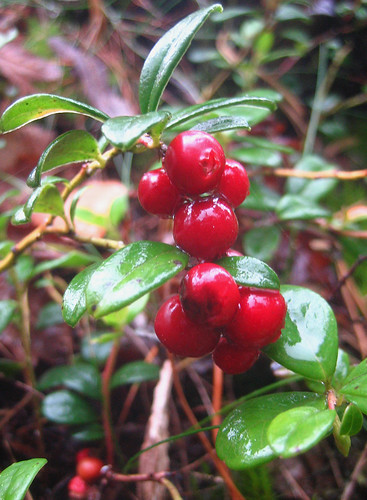
Also, while out in the forest, keep an eye out for cowberries, which are in season at the moment!


Sunday, 26 July 2009

Seaside bliss - go there while you can!


Palanga is the seaside resort that Lithuanians, Russians, Latvians, Swedes and Germans alike flock to in the summer time looking for a nice beach.

This white sands getaway is beach, beach and more beach (something like 18 kilometres of uninterrupted sand) with some other nice features to boot. While you're not relaxing on the beach getting a tan, you can go shopping for souvenirs and other kitschy rubbish on the central Basanaviciaus street where they have restaurants blaring out Russian pop and kalinka classics. On the side of the street is an amusement park with rides and other entertainment.

Of course that's not all folks - there is the Palanga botanical gardens which has a number of attractions of its own such as Birute's hill - an archaeological site of a town covered by a sand dune. The gardens also have the museum of Amber, which the Lithuanians are famous for. The museum used to be the Tiskeviciu palace and is surrounded by gardens, fountains and statues.

Despite all these other attractions, the main reasons people come to Palanga is still the beach and to party, which often occur at the same time. While lazing in the sun, on your towel soaking in the rays, you can buy beers and fried bread. Often people working in the restaurants will come to you with the food ready. While this can be pretty annoying when you don't want a Ceburekas (deep fried pancake with pork filling) or Kepta duona (fried black bread with garlic and salt), it is nice when you are getting a bit peckish. Beers usually go for 1.20 and the bread is about one quid.

Be aware that you can get burnt in this sun!

Swimming is good even though you can't see your feet in the greenish water once you are in knee deep. The water is clean, but has some algae and seaweed floating in it, clouding the view, but never fear.

Food in the city is all traditional Lithuanian and Armenian for some reason. It is the only place I know in Lithuania that has any noticeable Armenian cuisine and it is voluminous. Make sure you go to the restaurants hungry, but also bring enough cash because it is more expensive that other places.

Finding a place to stay in Palanga is easy as pie - just turn up and find one of the old ladies at the bus station who will take you to their house. A room can be anywhere from 40 litas (about 10 pounds at the time of writing) to 100 (25 pounds) for a fairly nice room for two. These are usually near the beach, but be aware that conditions vary significantly. You get what you pay for.

As the Lithuanian saying goes "a greedy person pays twice (later)"

Getting there is easy - there are trains to nearby Kretinga or you can take the bus or fly to the Palanga international airport.


Wednesday, 8 July 2009

Yummm... (at home!)


Those who have been to Lithuania will know that the country has a very unique and specific cuisine. Did you come in Summer and try Saltibarsciai? Or did you come during the winter and try Cepeliniai?

Instead of leaving this all behind, you can cook them at home with the comprehensive guide Lithuanian Traditional Foods by Birute Imbrasiene.

The book covers all aspects of Lithuanian cooking and gives introductions into the country's food culture. For example, did you know that in traditional Lithuanian families, the girls would only be considered ready for marriage when they were able to cook good black bread?

There are more that 300 authentic recipes in the book that are divided into 14 catagories: Traditional Bread Making, Traditional Cheese Making, Bread, Soups, Meat, Potatoes, Milk, Mushrooms, Fish, Vegetables and Fruits, Grain, Eggs, Baked goods and Sweets and Drinks.

The book carries the stamp of the Lithuanian Culinary Fund verifying its authenticity. I myself have used the book and the food has come out great.